Choose what deserves a place in the next room.
Work through one area at a time and separate what you are keeping from what will be donated, recycled or handled separately. The earlier you make those decisions, the less likely unwanted items are to enter the moving boxes.
If you have booked packing help, ask what supplies and tasks are included. Agree on any rooms or belongings you will pack yourself, and identify items that should remain untouched.
Use manageable boxes, not just full ones.
Choose sturdy boxes appropriate to the contents. Dense items, such as books, are often easier to manage in smaller boxes. Keep the load reasonable and avoid forcing a box to close.
Use suitable packing material to keep contents from moving inside the box. Close and tape boxes securely. Bags, damaged boxes and open containers may not offer the protection your belongings need, so discuss alternatives with your coordinator.
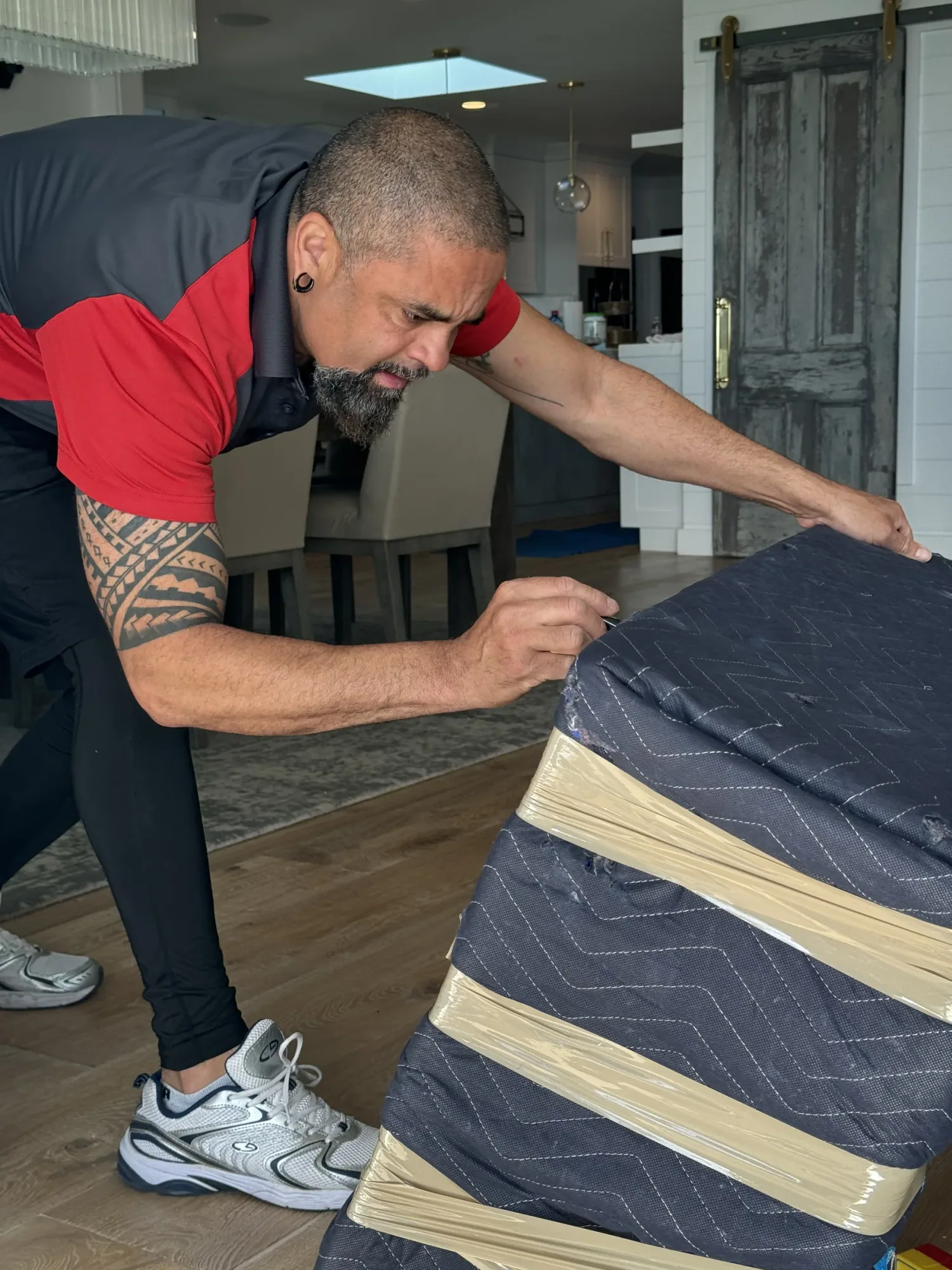
Make your labels work from every angle.
Write the destination room and a short contents description on the top and a side of each box. Use the same room names on your destination plan. A box marked “Bedroom 2: bedding” gives the crew a clearer instruction than one marked “upstairs.”
Keep private or sensitive information off visible labels. For important documents and personal valuables, make a separate plan to carry them yourself.
- Destination room
- Short, useful contents description
- Handling instructions discussed with the crew
- A clear distinction between packed items and items staying behind
Pause before packing the unusual pieces.
Artwork, antiques, large mirrors and unusual furniture can need a different approach from everyday household items. Tell the team about these pieces before moving day so they can discuss the handling and materials needed.
Follow the manufacturer’s guidance for electronics and appliances where available. Confirm who will disconnect or prepare appliances. Never assume that disconnection, specialist crating or installation is included without discussing it.
Keep the first night out of the stack.
Set aside the things you will want without opening ten boxes: medication, toiletries, chargers, basic clothing and essential documents. Include what children or pets will need during the move, and keep those supplies accessible.
At the new address, start with essentials and work room by room. Let your coordinator know ahead of time if you would like to discuss unpacking support. The right level of help is the one that fits your move and the agreed service.
Every move has its own details.
Tell us about your spaces, timing and the kind of help you need. We’ll help you take the next step.
FREE ESTIMATE