5.0 on GoogleGoogle 5.0Rated 5 out of 5 on Google




$0.60 per poundBasic valuation option
Three deductible choicesFull value pricing options
High-value declarationsImportant items identified early
Written terms controlReviewed before moving day
Two levels of responsibility
Start with the difference that matters.
Valuation is the mover's contractual responsibility for your belongings. It is different from a separate insurance policy.
Basic valuation
$0.60 per pound, per articleRecovery is based on an item's weight, not its purchase price or replacement cost. There is no added premium for this option.
100-pound item example100 lb × $0.60 = $60
Full value protection
Based on declared replacement valueEligible loss or damage may be addressed through repair, replacement or reimbursement, up to the declared shipment value and subject to the selected deductible and written terms.
- $500 deductible: $5.50 per $100
- $250 deductible: $6.50 per $100
- $0 deductible: $7.50 per $100
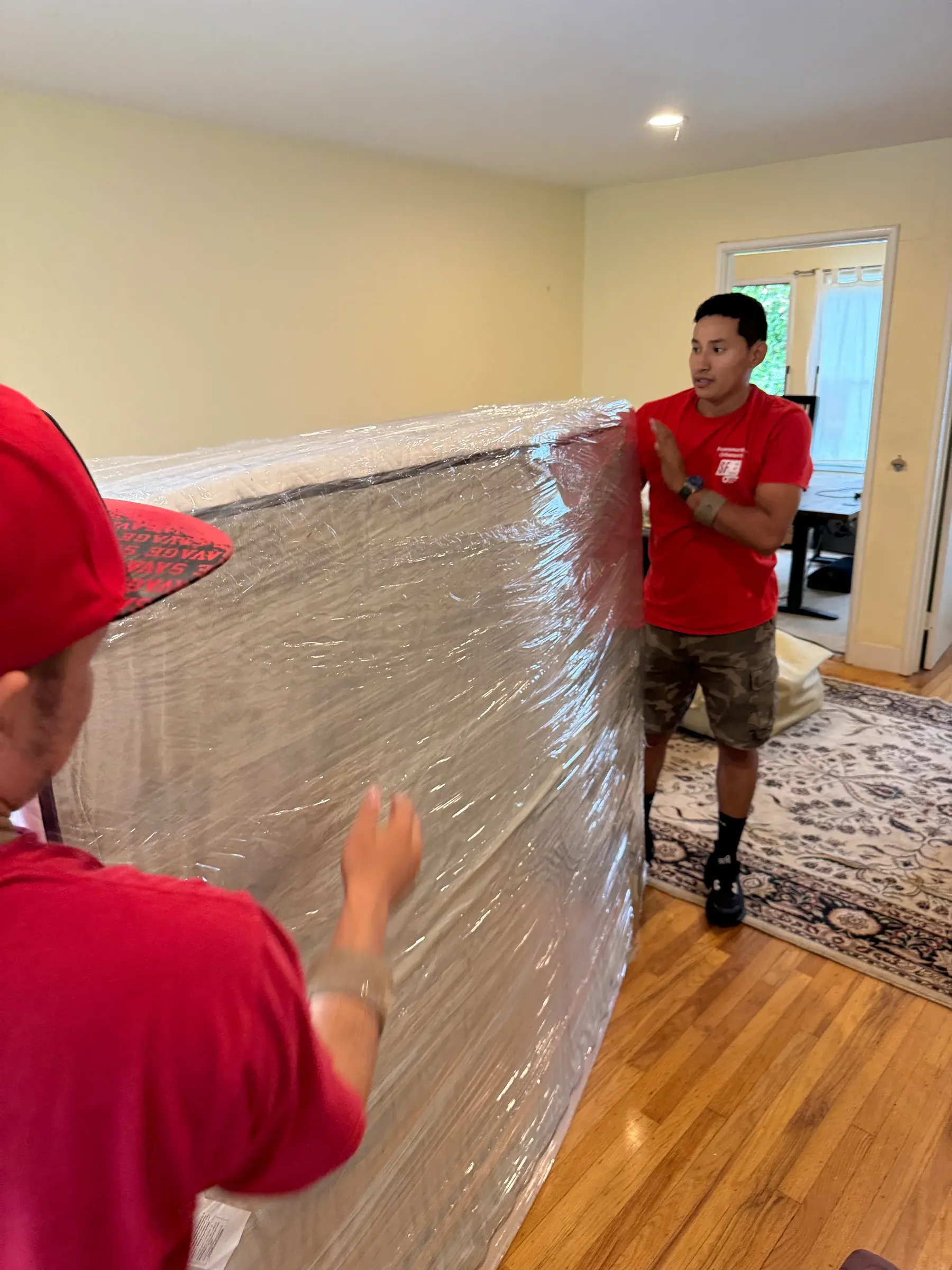
California consumer guidance describes basic, actual cash value and full value choices. The options and company rates shown here must be confirmed in the written agreement for your move.
Items of extraordinary value
Some belongings need their own line.
Items worth $1,000 or more, or with a value unusually high for their weight, should be identified individually. Early disclosure gives the team time to review packing, documentation and applicable limits.
List your important items01Artwork, sculptures and framed pieces
02Jewelry, watches and fine collectibles
03Antiques and designer fashion items
04Premium electronics and audio equipment
05Musical instruments and specialty pieces
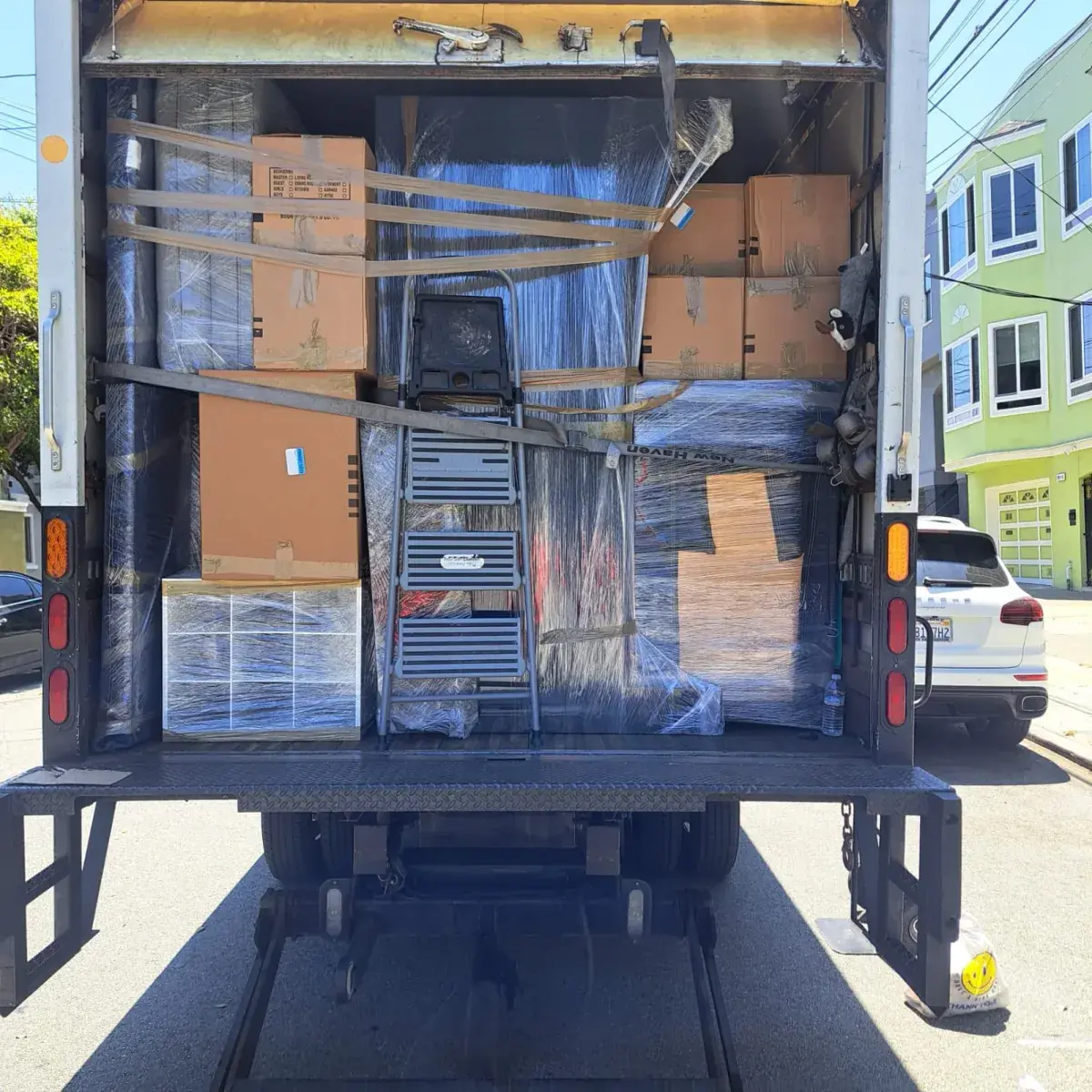
Before, during and after the move
One documented process.
Clear selections and item records help connect your estimate, moving day checks and any later follow-up.
Compare the options
Review basic valuation, full value choices, rates and deductibles before selecting an option.
Describe what is moving
List the pieces that need individual attention and declare extraordinary-value items clearly.
Calculate the estimate
Use the declared value and selected rate to preview the additional valuation charge.
Review with the team
A moving consultant confirms the details, written terms and any documentation still needed.
Check at pickup and delivery
Review declared items and visible condition with the crew at both ends of the move.
Follow the written process
If a loss or damage concern arises, use the instructions and deadlines in the signed agreement.
Coverage worksheet
Put the important details in one place.
This working form is ready for review and calculation. It does not transmit information or create coverage yet.
Insurance and valuation questions
Understand it before you sign it.
Use these answers as a starting point, then confirm every selection and limit in the documents prepared for your move.
Call (415) 663-200101Is basic valuation the same as moving insurance?+
No. Valuation establishes a mover's level of responsibility for loss or damage. It is not the same as a separate insurance policy. Review your moving agreement and any existing insurance with the appropriate provider.
02What does basic valuation provide?+
For California household moves, basic valuation is available at no additional charge and uses $0.60 multiplied by the weight of the affected item or packed carton. A 100-pound item would therefore have a $60 recovery limit under that option.
03How does this calculator estimate full value charges?+
It rounds the declared value up to the next $100 when needed, then multiplies that amount by the selected company rate. The displayed result is a planning estimate, not a binder or final charge.
04Which items should be declared individually?+
Identify belongings worth $1,000 or more, along with items whose value is unusually high compared with their weight. Examples include original art, jewelry, antiques, designer pieces, premium electronics and musical instruments.
05Does completing this form activate coverage?+
Not in this website preview. The form does not send data. When SmartMoving integration is added, the team will still need to review the information and provide the controlling written documents.