Start with both addresses.
Your move has two sets of access conditions. A ground-floor pickup does not tell the crew what to expect at a third-floor destination. Share the details for both spaces, even if you are moving only a few blocks.
Ask your building manager about the arrangements that apply to your move. If an elevator, loading area or certificate of insurance is required, give your coordinator time to review the requirements. Do not assume a curbside space will be available for a moving truck.
- Stairs, elevators and long carry paths
- Loading zones and parking arrangements
- Building move-in and move-out time windows
- Gates, entry codes and the right contact on arrival
Decide what travels with the crew.
Create a simple room-by-room inventory and point out large, fragile or awkward items early. Photographs can help start the conversation, but ask your coordinator what information they need for your estimate.
Keep essential medication, personal documents, valuables, keys and daily necessities with you. Discuss any unusual, restricted or potentially hazardous items with the team before packing them.
Pack for the room you are going to.
A consistent label is more useful than a complicated color system. Put the destination room and a short contents description on more than one side of each box. Mark boxes that need particular handling and explain that handling to the crew.
Prepare one essentials bag for your first evening: chargers, toiletries, a change of clothes and the items you need to get through the next morning. Keep it separate from the main shipment. If packing is part of your service, confirm what the crew will pack and what you should prepare yourself.
Make the first walkthrough count.
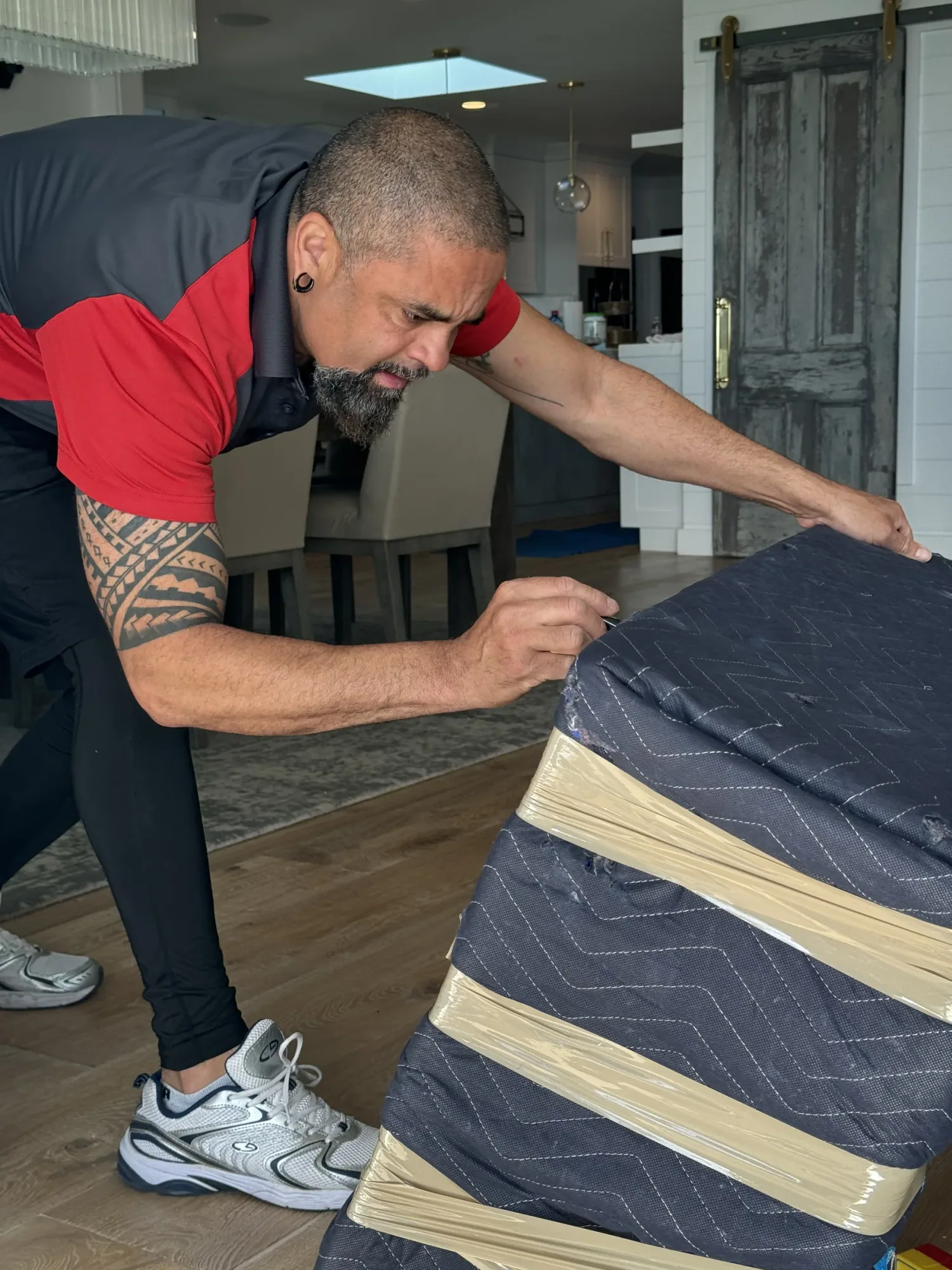
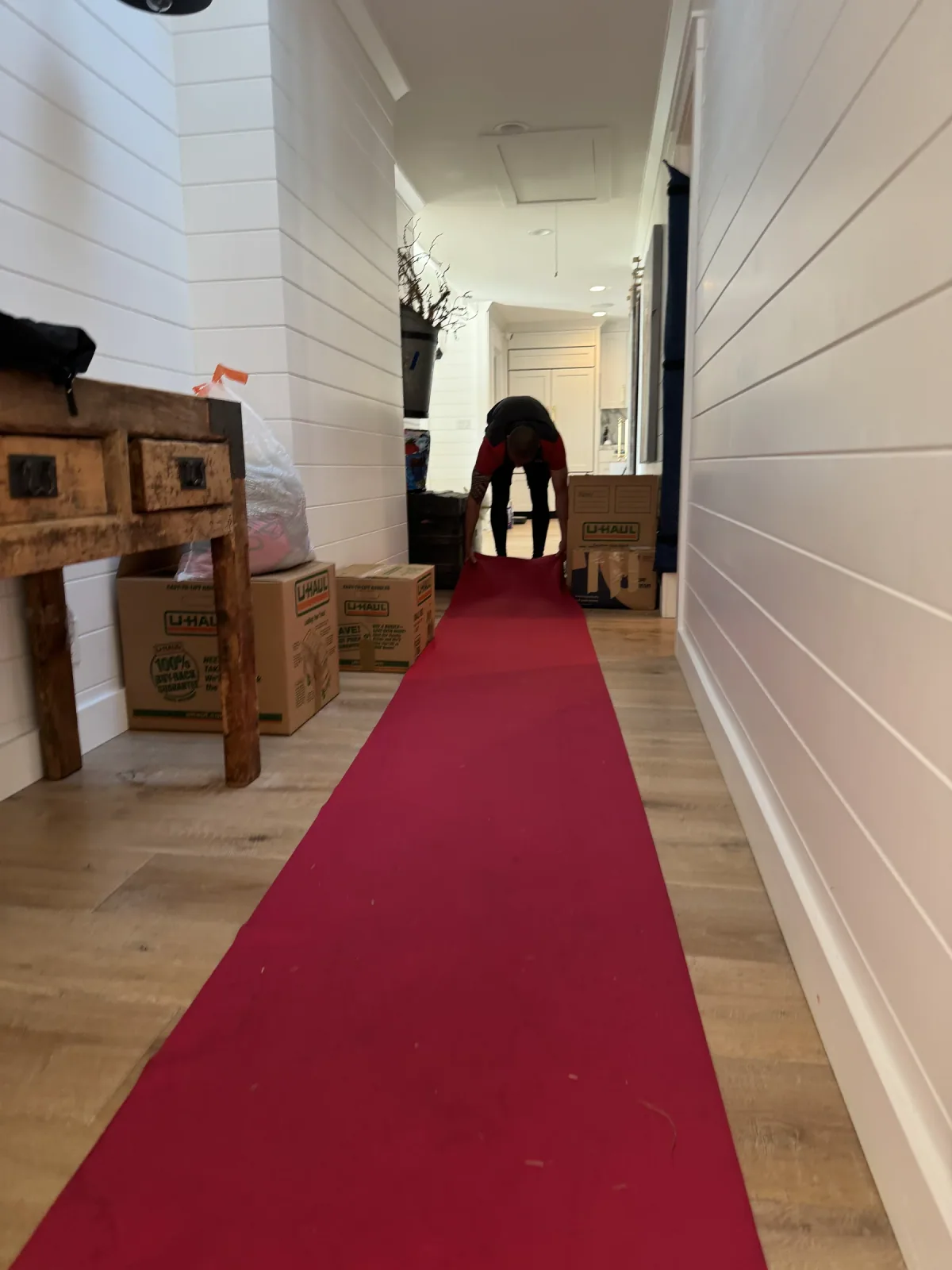
Before loading starts, show the crew what stays, what goes and which items need extra care. Keep walkways clear and arrange a safe space for children and pets away from the carry path.
At the destination, share room names and furniture placement before unloading begins. A quick sketch can help prevent furniture from landing in a room where it does not belong.
Leave time for the last check.
Look through closets, cabinets, balconies and storage areas before leaving your old space. At the new address, walk through with the crew and discuss anything that needs attention before the job is wrapped up.
Every property has its own details. Use this checklist to start the conversation, then follow the moving plan and written instructions agreed with your team.
Every move has its own details.
Tell us about your spaces, timing and the kind of help you need. We’ll help you take the next step.
FREE ESTIMATE